Understanding the Dangers of Mold Exposure and Natural Treatment Methods
Mold is more than just an unsightly nuisance in damp corners of your home. It can pose serious health risks that many people overlook until symptoms appear. Understanding the dangers of mold exposure, identifying common sources, and exploring natural ways to treat mold-related health issues can help protect your well-being and improve your living environment.
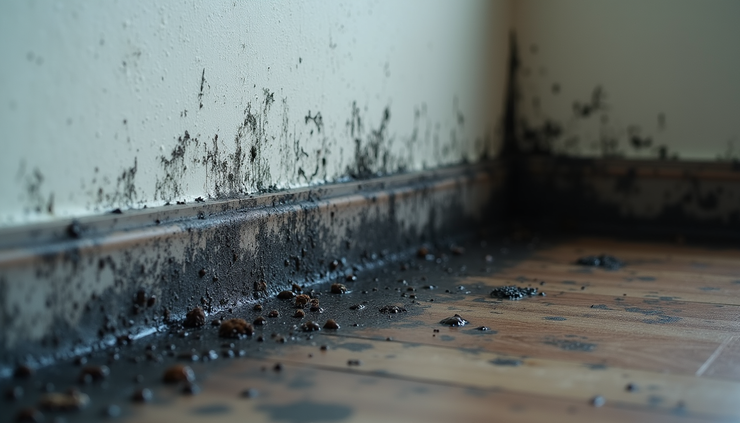
The Health Risks of Mold Exposure
Mold releases tiny spores into the air that can be inhaled, causing a range of health problems. People with allergies, asthma, or weakened immune systems are especially vulnerable. Common symptoms linked to mold exposure include:
Nasal congestion and sneezing
Coughing and wheezing
Eye irritation and redness
Skin rashes
Headaches and fatigue
Long-term exposure can lead to more serious respiratory issues and may worsen chronic conditions. Some molds produce mycotoxins, which are toxic substances that can affect the nervous system and immune response. While not everyone reacts the same way, repeated exposure increases the risk of developing sensitivities or infections.
Common Sources of Mold in Homes
Mold thrives in moist, warm environments. Identifying where mold grows helps prevent exposure and damage. Typical sources include:
Bathrooms with poor ventilation
Basements and crawl spaces with water leaks
Around windows and doors where condensation forms
Behind wallpaper or drywall damaged by water
HVAC systems and air ducts with moisture buildup
Mold can begin growing within 24 to 48 hours after water damage occurs. Regularly inspecting these areas and addressing moisture problems quickly is key to controlling mold growth.
Natural Ways to Treat Mold-Related Health Issues
If you suspect mold exposure is affecting your health, natural treatments can support your body’s recovery. Two main approaches focus on binding mold toxins and reducing inflammation caused by exposure.
Using Binders to Remove Mold Toxins
Binders are substances that attach to toxins in the digestive tract, helping the body eliminate them safely. Some natural binders include:
Activated charcoal: Known for its ability to trap chemicals and toxins. It should be taken away from meals and medications to avoid interference.
Cholestyramine: A prescription binder often used for mold toxin removal under medical supervision.
Bentonite clay: A natural clay that can bind toxins and support gut health.
These binders help reduce the toxic load on the body, easing symptoms like brain fog, fatigue, and digestive upset.
Anti-Inflammatory Methods to Calm the Body
Mold exposure often triggers inflammation, which worsens symptoms. Natural anti-inflammatory strategies include:
Omega-3 fatty acids: Found in fish oil and flaxseed, these fats help reduce inflammation systemically.
Turmeric: Contains curcumin, a powerful anti-inflammatory compound. It can be taken as a supplement or added to food.
Ginger: Known for soothing inflammation and supporting digestion.
Adequate hydration and rest: Supporting the body’s natural healing processes.
Incorporating these foods and supplements can help manage symptoms and improve overall resilience.

Preventing Mold Growth Naturally
Prevention is the best way to avoid mold-related health problems. Here are practical steps to keep your home mold-free:
Fix leaks and water damage immediately
Use dehumidifiers in damp areas to keep humidity below 50%
Improve ventilation in bathrooms and kitchens
Clean and dry wet materials within 24 hours
Use natural mold inhibitors like vinegar or tea tree oil for cleaning
Regular maintenance and moisture control reduce the chance of mold taking hold.
When to Seek Professional Help
If mold covers a large area or you experience persistent health issues despite natural treatments, professional intervention is necessary. Mold remediation experts can safely remove mold and address hidden sources. Medical professionals can also provide testing and tailored treatment plans for mold-related illnesses.


Comments