Understanding the Long Term Effects of Untreated Lyme Disease
Lyme disease is a tick-borne illness that can cause serious health problems if not treated promptly. Many people may not realize the full impact of leaving Lyme disease untreated, which can lead to lasting complications. This post explores what happens when Lyme disease goes untreated and why early diagnosis and treatment are crucial.
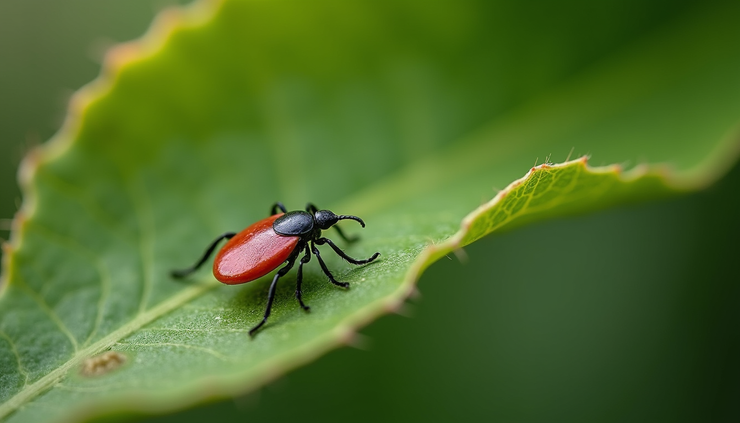
What Is Lyme Disease?
Lyme disease is caused by the bacterium Borrelia burgdorferi, transmitted through the bite of infected black-legged ticks, commonly known as deer ticks. Early symptoms often include a characteristic bull’s-eye rash, fever, fatigue, and muscle aches. These symptoms can be mild and easily mistaken for other illnesses, which sometimes delays diagnosis.
If treated early with antibiotics, most people recover fully. But when Lyme disease is left untreated, the bacteria can spread throughout the body, causing more severe problems.
Long Term Effects of Untreated Lyme Disease
When Lyme disease is not treated, the infection can progress to later stages, affecting multiple body systems. Some of the most common long term effects include:
Chronic joint inflammation: Lyme arthritis often affects large joints like the knees, causing swelling, pain, and limited movement.
Neurological problems: Untreated Lyme disease can lead to neurological symptoms such as facial palsy (loss of muscle tone on one side of the face), numbness, tingling, and problems with memory or concentration.
Heart complications: Lyme carditis can cause irregular heartbeats and, in rare cases, heart block.
Fatigue and muscle pain: Persistent tiredness and muscle aches can last for months or years.
Cognitive difficulties: Some patients report “brain fog,” difficulty focusing, and mood changes.
These symptoms can significantly reduce quality of life and may require long-term medical care.

Why Early Treatment Matters
Early treatment with antibiotics is the most effective way to prevent these long term effects. Doctors typically prescribe a course of doxycycline or amoxicillin for 2 to 4 weeks. Starting treatment within days or weeks of infection usually leads to full recovery.
Delays in treatment allow the bacteria to spread and cause damage that is harder to reverse. For example, Lyme arthritis may persist even after antibiotics, sometimes requiring additional therapies like anti-inflammatory medications or physical therapy.
What You Can Do to Protect Yourself
Preventing Lyme disease starts with avoiding tick bites:
Wear long sleeves and pants in wooded or grassy areas.
Use insect repellent containing DEET.
Check your body and clothing for ticks after spending time outdoors.
Remove ticks promptly with fine-tipped tweezers.
If you notice symptoms like a rash or flu-like illness after a tick bite, seek medical advice immediately.



This was a surprisingly informative read. I usually spend my time going down fnaf lore rabbit holes, but learning about tick prevention and why early Lyme treatment matters is definitely useful.